How to actually prevent a hangover: what the science says (and what doesn't work)
August 30, 2026
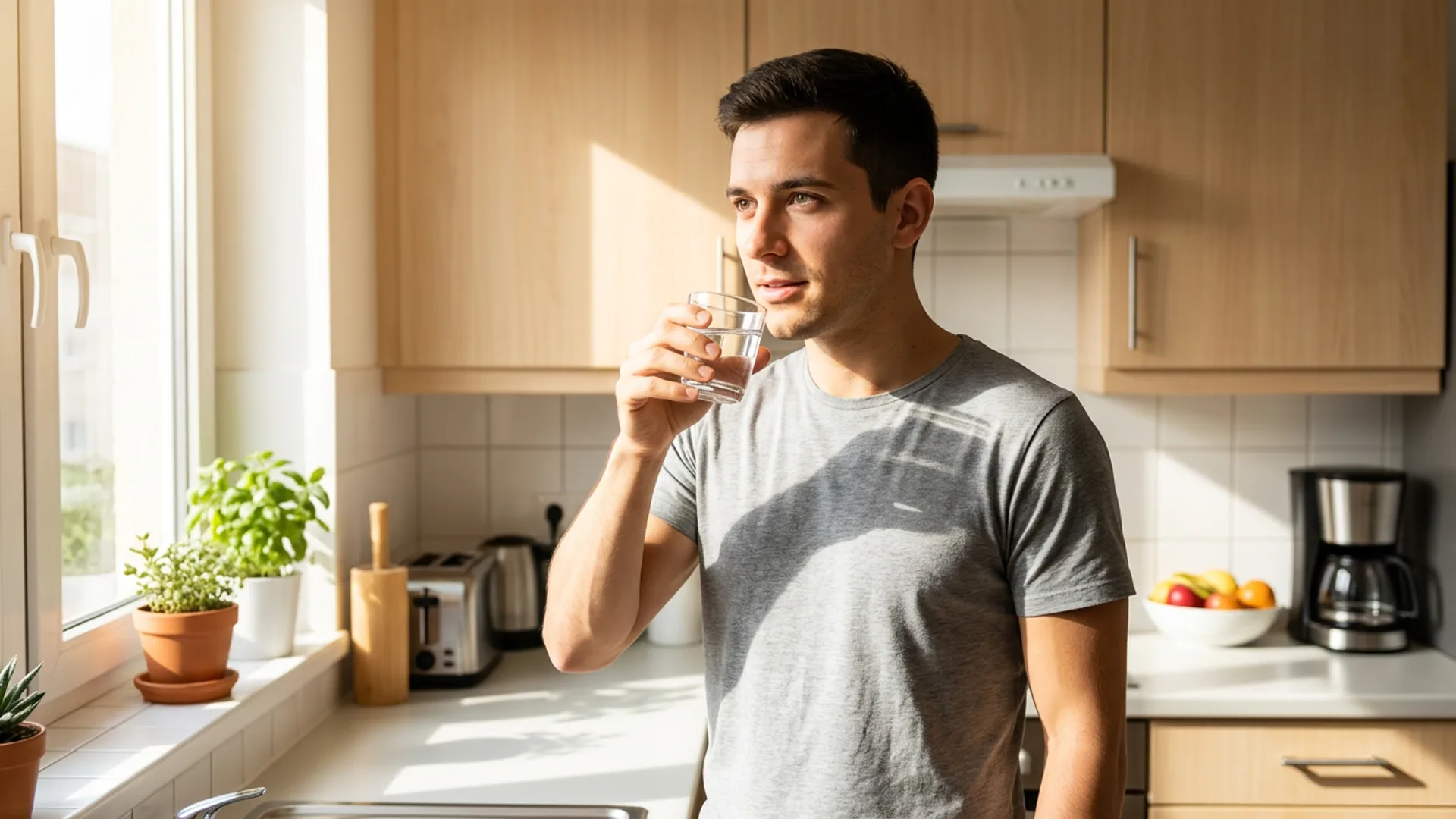
You've heard them all. Drink a glass of water between rounds. Eat something greasy before bed. Take ibuprofen before you sleep. Some of these are harmless. Some are genuinely counterproductive. And almost none of them address what's actually happening in your body when you drink.
The folk remedies, honestly assessed
Water: The most commonly cited trick, and it has some truth behind it. Alcohol suppresses a hormone that tells your kidneys to retain water, so you lose more than you take in. Staying hydrated helps. But alcohol also depletes electrolytes, not just water, so plain water only solves part of the problem. A glass of water before bed is not a bad idea. It's just not the full picture.
Greasy food: The theory is that fat slows alcohol absorption into your bloodstream. That is actually true, if you eat before or during drinking. By the time you're reaching for delivery at midnight, most of the absorption has already happened. Eating a real meal before you go out? Good call. Greasy food after the fact? Comfort, not science.
Activated charcoal: A popular one in wellness circles. Charcoal is genuinely useful in medical settings for certain poisonings. It works by binding to substances in your stomach before they absorb. The problem: it only works on substances that haven't entered your bloodstream yet, and that window is narrow. By the time you take charcoal at a bar, there's nothing left to intercept. The evidence for it supporting the morning after is essentially zero.
Ibuprofen before sleep: This one gets complicated. NSAIDs are hard on the stomach lining on a good day. On a night when your stomach is already dealing with alcohol, the combination increases irritation risk. Your liver is also working hard to process alcohol, and NSAIDs add to that load. Some people swear by it. The evidence doesn't support the tradeoff.
What is actually happening in your body
Your liver processes alcohol through two enzymes: alcohol dehydrogenase (ADH) and aldehyde dehydrogenase (ALDH). The second step converts acetaldehyde, an intermediate compound, into something harmless. Acetaldehyde is where a lot of the rough feeling originates. Separately, alcohol generates oxidative stress, depletes B vitamins and electrolytes, and disrupts sleep quality.
You can't outdrink your body's chemistry. But you can support the processes already doing the work.
That's why the "drink water, eat greasy food, take a painkiller" approach is incomplete. It addresses some symptoms while missing the underlying mechanisms entirely.
What the research actually points toward
Three categories of supplements have real mechanistic rationale for how they interact with alcohol metabolism:
DHM (Dihydromyricetin): A plant-based flavonoid that research suggests may support the ADH and ALDH enzyme processes your liver uses to metabolize alcohol. A 2012 UCLA study showed it reduced alcohol's effects in preclinical models. The mechanism is legitimate. It's the most studied ingredient in this space.
NAC (N-Acetyl Cysteine): A precursor to glutathione, your body's primary antioxidant. Alcohol depletes glutathione heavily, which is part of why oxidative stress spikes when you drink. NAC supports your body's ability to replenish it.
Electrolytes: Alcohol doesn't just take water from you. It depletes sodium, potassium, and magnesium, all of which affect how you feel the next morning. Electrolytes replace what alcohol strips out, not just the fluid.
None of these are medical claims. They are structure-function relationships: these compounds support specific systems your body relies on when you drink. That is meaningfully different from folk remedies that target symptoms.
Where Pregame fits
Pregame leads with DHM and NAC, adds a full electrolyte blend and B-vitamin complex, and rounds out with L-theanine, milk thistle, taurine, and ginger. Nine ingredients. All of them listed on the label with a plain-English explanation of why each one is there. No proprietary blend, no mystery.
The science behind each ingredient, with the reasoning for every dose, is on the formula page.
If you want to give your body actual support before your next night out, the six-pack at the shop is where to start.
Keep reading
- What's actually in a hangover prevention shot?
Most hangover shots are mostly water and wishful thinking. Here are the nine ingredients in Pregame that have a real reason to be there, plus the one popular ingredient we deliberately left out.
- What's actually in a hangover prevention shot?
Most hangover shots are mostly water and wishful thinking. Here are the nine ingredients in Pregame that have a real reason to be there, plus the one popular ingredient we deliberately left out.
- Why we published our formula
Most supplement brands hide ingredient amounts behind 'proprietary blend' labels. Pregame puts every ingredient and dose on the label. Here's what's in the bottle and why we chose to share it.